
ESG and Compliance Value of Reman Trucks: Meeting Global Sustainable Standards
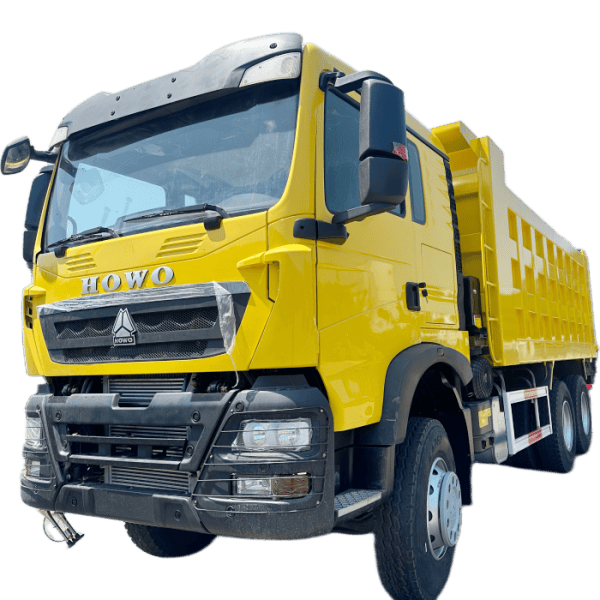
Remanufacturing Is the Core Engine of Heavy Truck Circular Economy
Heavy-duty truck remanufacturing is not a simple second-hand vehicle renovation business. It is a systematic circular economy engineering system integrating environmental protection, economy, industrial optimization and sustainable development. By restoring OEM-level performance, truck remanufacturing realizeszero-degradation reuse of industrial assets, low-carbon iteration of the supply chain, and low-cost renewal of fleet resources. It will continue to lead the sustainable development of the global heavy truck industry and become the most reliable circular solution for global engineering and logistics fleets.
Table of Contents
- Introduction: ESG Becomes a Core Industrial Threshold for Global Heavy Transport
- Environmental Value: Quantifiable Carbon Reduction and Resource Sustainability
- Social Value: Standardized Operation and Industrial Safety Upgrade
- Governance Value: Traceable Quality and Standardized Asset Management
- Global Compliance Value: Adapt to International Sustainable Rules
- Core Advantage: Only OEM-Level Remanufacturing Can Realize Effective ESG Compliance
- REMAN ROAD: Brand Positioning, Core Standards & Development Vision
Related Articles
- Core Essence of Remanufacturing: Full Restoration to OEM Original Performance
- What Defines a True Reman Truck?
- Why Remanufactured Trucks Are the Future of the Heavy Truck Industry?
- Industrial Remanufacturing Resets the Full Vehicle Life Cycle
- The Circular Economy Value of Truck Remanufacturing
- ESG and Compliance Value of Reman Trucks: Meeting Global Sustainable Standards
Introduction: ESG Becomes a Core Industrial Threshold for Global Heavy Transport
Sustainability is no longer an optional corporate concept, but a rigid global compliance threshold.
With the popularization of ESG evaluation, carbon accounting rules, circular economy regulations and green public procurement worldwide, heavy truck fleets, engineering contractors and logistics companies are facing stricter environmental and social responsibility supervision.
Professional OEM-standard truck remanufacturing has become a reliable, verifiable and compliant sustainable solution for the heavy equipment industry.
The Shift From Pure Cost Competition to ESG Compliance Competition
- In the past, fleet procurement focused only on performance and price.
- Today, international projects, cross-border tenders and institutional clients require suppliers to provide sustainable equipment data, carbon footprint records and circular economy credentials.
- Reman trucks with standardized industrial processes help enterprises complete ESG capability upgrades and meet market access thresholds.
Why Ordinary Used Trucks Cannot Meet Modern ESG Standards
- Refurbished or casually repaired used trucks lack standardized production records, cannot provide effective carbon reduction data, and fail to match global environmental compliance rules.
- Their unstable emissions and aging mechanical systems cannot support formal ESG reporting and green project auditing.
Environmental Value: Quantifiable Carbon Reduction and Resource Sustainability
Genuine OEM-level standardized remanufacturing generates measurable environmental benefits, forming credible environmental data support for corporate ESG indicators. Unlike vague green concepts, remanufacturing provides standardized, data-backed ecological advantages.
Industrial-Level Energy Saving and Emission Reduction
- Compared with manufacturing brand-new heavy trucks, standardized remanufacturing saves over 60% of industrial energy consumption and reduces more than 50% of carbon emissions per vehicle.
- By retaining high-value chassis, core assemblies and structural materials, it avoids repeated raw material smelting and processing, effectively lowering the whole-life carbon footprint of heavy equipment.
Reduce Industrial Solid Waste and Pollution Risks
- Large-scale direct scrapping of aging trucks produces massive metal waste, waste oil and residual chemical pollution.
- Standardized remanufacturing realizes centralized component screening, regeneration and reuse, greatly reducing solid waste output and environmental pollution caused by blind vehicle elimination.
Stabilize Vehicle Emission Performance
- A true reman trucks restores engine combustion accuracy, fuel injection efficiency and exhaust system performance to OEM standards.
- It eliminates excessive emissions caused by aging and wear, ensuring stable compliance with Euro 6, EPA Tier 4 and other international emission regulations throughout the service cycle.
Social Value: Standardized Operation and Industrial Safety Upgrade
ESG social value focuses on operational safety, industrial standardization and stable social production contribution. OEM-standard standardized remanufacturing improves fleet safety and operational stability, bringing long-term social benefits to engineering construction and logistics transportation industries.
Eliminate Fleet Safety Hazards From Aging Equipment
- Aging and refurbished trucks have hidden risks such as insufficient braking performance, hydraulic failure and power instability, easily causing site safety accidents.
- Reman trucks restore full factory-level safety performance, reduce on-site operational risks, and improve fleet safety management levels.
Standardize Global Heavy Truck Secondary Market
- Traditional used truck transactions rely on experience and lack unified standards.
- Industrial remanufacturing introduces OEM technical specifications, unified testing procedures and traceable quality files, standardizing the secondary equipment market and promoting healthy development of the global heavy transport industry.
Support Stable Operation of Global Engineering and Logistics
- Cost-effective and high-reliability reman trucks help infrastructure construction, mineral development and cross-border logistics projects maintain stable operation, guarantee industrial and social transportation demands, and create sustainable social economic value.
Governance Value: Traceable Quality and Standardized Asset Management
ESG governance requires standardized management, transparent data traceability and compliant asset iteration. Remanufacturing builds a complete industrial management system for fleet assets, improving corporate asset governance capabilities.
Full Life Cycle Data Traceability
- Every genuine reman trucks is equipped with complete disassembly records, component detection data, bench test reports and road verification files.
- All performance and regeneration data can be archived and traced, meeting the data transparency requirements of modern enterprise governance.
Standardized Fleet Asset Renewal Mechanism
- Remanufacturing provides enterprises with a standardized low-cost asset iteration channel.
- Instead of blind scrapping and high-cost new vehicle procurement, fleets realize scientific asset renewal, optimize capital structure, and improve long-term asset governance efficiency.
Avoid Compliance Risks of Non-Standard Equipment
- Non-standard renovated trucks often face risks of unqualified emissions, substandard safety and inconsistent technical indicators.
- OEM-standard reman trucks fully comply with industrial technical specifications, helping enterprises avoid administrative penalties and project disqualification caused by non-compliant equipment.
Global Compliance Value: Adapt to International Sustainable Rules
With the continuous upgrading of global environmental policies and circular economy systems, certified remanufacturing has become an important compliance tool for international business layout.
Meet EU ELV Circular Economy Directives
- The EU ELV Directive strictly regulates vehicle recycling and resource reuse rates.
- Standardized remanufacturing realizes high-value regeneration of vehicle components far beyond simple material recycling, meeting the EU’s high-standard vehicle resource recovery requirements and supporting enterprises’ European market business layout.
Adapt to Global Green Tender and Project Audits
- More international infrastructure projects, government procurement and large enterprise tenders take green equipment application and carbon emission reduction performance as scoring indicators.
- Reman trucks with verifiable ESG credentials effectively improve project competitiveness and tender pass rate.
Support Corporate Carbon Accounting and ESG Reporting
- Based on industrial remanufacturing energy-saving and emission-reduction data, enterprises can accurately calculate fleet carbon reduction benefits, form standardized carbon accounting reports, and support annual ESG disclosure, corporate sustainable development assessment and green credit evaluation.
Core Advantage: Only OEM-Level Remanufacturing Can Realize Effective ESG Compliance
Not all “remanufacturing” has real ESG value. Only remanufacturing centered on OEM performance restoration can form effective, compliant and internationally recognized sustainable value.
Low-End Refurbishment Cannot Generate Valid ESG Data
- Cosmetic renovation and partial repair cannot eliminate equipment performance attenuation and hidden emissions risks.
- They have no standardized production process and cannot provide formal carbon reduction and environmental protection certification data, which cannot support ESG reporting and compliance audits.
OEM Standard Ensures Long-Term Stable Compliance
- Trucks restored to factory-level performance have consistent emission standards, safety performance and operational stability with new vehicles.
- Their long-term low failure rate and low energy consumption ensure sustainable ESG performance throughout the asset life cycle, avoiding repeated degradation of refurbished vehicles.
REMAN ROAD: Brand Positioning, Core Standards & Development Vision
REMAN ROAD take remanufacturing technology, standardized process system and quality control as the core, and heavy-duty equipment regeneration as the landing carrier, committed to solving the long-standing quality chaos and cost risks in the global engineering equipment renewal market.
Accurate Brand Positioning
- REMAN ROAD is a standard‑oriented industrial remanufacturing enterprise, not a vehicle sales dealer or equipment refurbishment workshop.
- Our core competitiveness lies in defining, practicing and popularizing measurable OEM‑aligned remanufacturing benchmarks, quality evaluation criteria and full‑lifecycle asset management specifications.
- We focus on establishing unified evaluation dimensions for the disordered global heavy‑duty equipment reman sector, guiding the industry away from superficial cosmetic refurbishment and experiential repair models.
- By setting transparent, replicable reman standards, we help global engineering fleets identify qualified regenerated assets, and build a reliable connection between green circular‑economy concepts and practical fleet‑asset value improvement.
Core Brand Principles
- Standardization First, Reject Fake Reman: Always take OEM industrial technical standards as the only implementation basis, completely abandon empirical renovation and superficial refurbishment, and ensure every regenerated unit reaches near-new performance indicators.
- Technology-Driven Regeneration: Rely on professional disassembly, cleaning, fatigue elimination, precision repair and calibration technology to realize essential performance regeneration of industrial equipment, not simple part replacement.
- Full Transparent Quality Traceability: Implement full-process file archiving for all reman projects, realize visible and verifiable restoration process, and solve the information asymmetry pain point in the global second-hand engineering equipment trade.
- Customer Value-Centric: Take reducing fleet full-lifecycle cost, eliminating operational safety risks and improving asset return rate as the core goal, providing stable, reliable and cost-effective reman asset solutions.
Brand Vision & Mission
- Brand Mission: Standardize global industrial equipment remanufacturing, empower global buyers with low-cost, low-risk and high-value circular asset solutions.
- Brand Vision: Become a global benchmark brand for standardized industrial remanufacturing, promote the iterative upgrade of the heavy equipment reman industry from extensive renovation to standardized technical regeneration, and lead the healthy development of the global green circular equipment economy.
- Core Competitive Advantage: REMAN ROAD’s core advantage is standardized industrial reman system. From core vehicle screening, process implementation, performance testing to after-sales guarantee, we form a closed-loop quality system, enabling global customers to obtain new-grade equipment quality at a reasonable cost and truly realize “cost reduction, risk reduction and efficiency improvement.