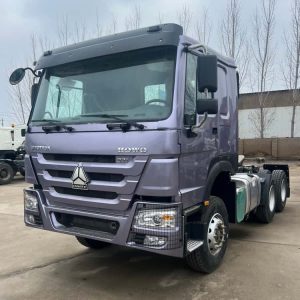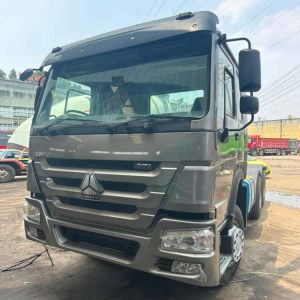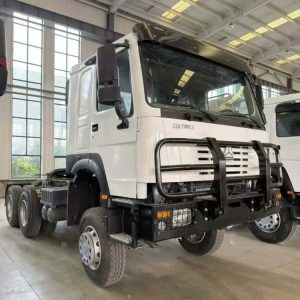
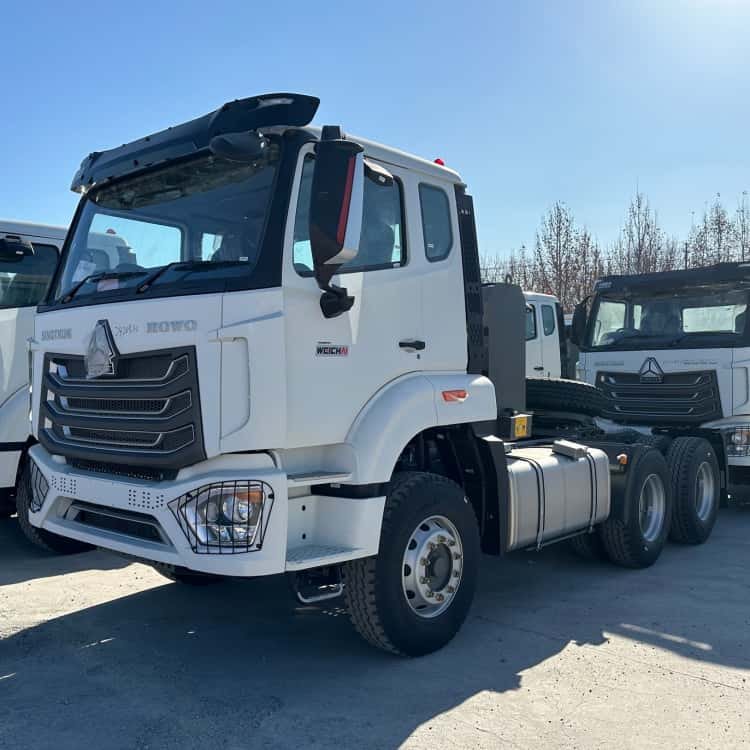
Reman Howo NX 6×4 Truck Head
REMAN ROAD reman Howo 6×4 truck head is built to match OEM factory performance benchmarks. It helps fleets slash total operating costs while meeting sustainable procurement requirements. Every unit leaves the facility after systematic function validation.
Reman CNHTC Howo Truck Description
- Formal remanufacturing means this reman Howo 6×4 head truck is not just patched up for temporary use.
- We use new OEM vehicle performance thresholds as the judging line for every system test.
- Worn core components are regenerated or swapped with qualified parts, and all critical safety systems are recalibrated.
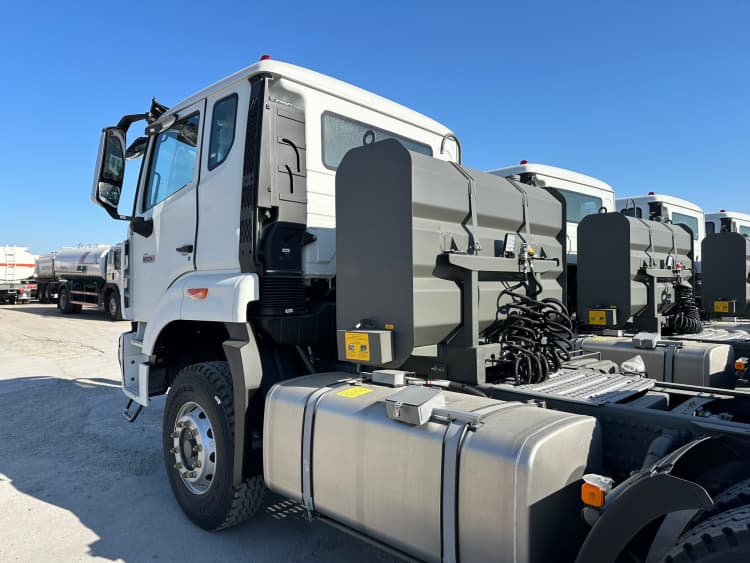
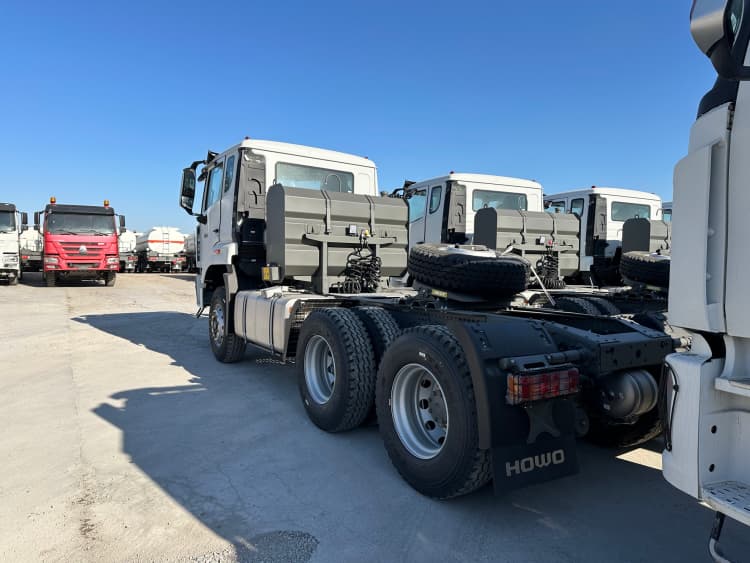
- While a brand-new Howo NX brings high upfront costs, this reman version retains the model’s mature service ecosystem and parts compatibility.
- REMAN ROAD Reman Howo 6×4 truck head lowers fleet capital pressure, reduces industrial waste, and supplies auditable ESG data for sustainability reporting.
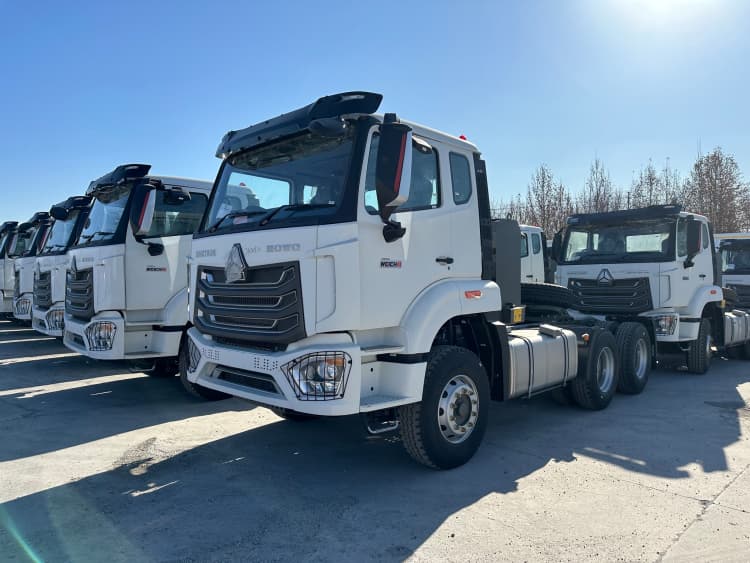
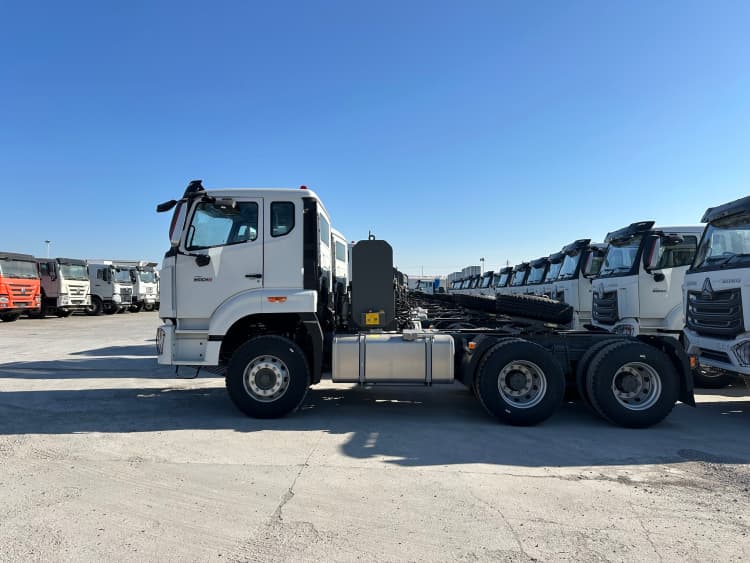
Specification Table
- Model: Reman Howo NX Truck Head 6×4
- Engine: Fully disassembled, all parts cleaned, inspected, worn components renewed, reassembled and dyno tested
- Transmission: Complete teardown, inspection, bearing and seal renewal, bench calibrated
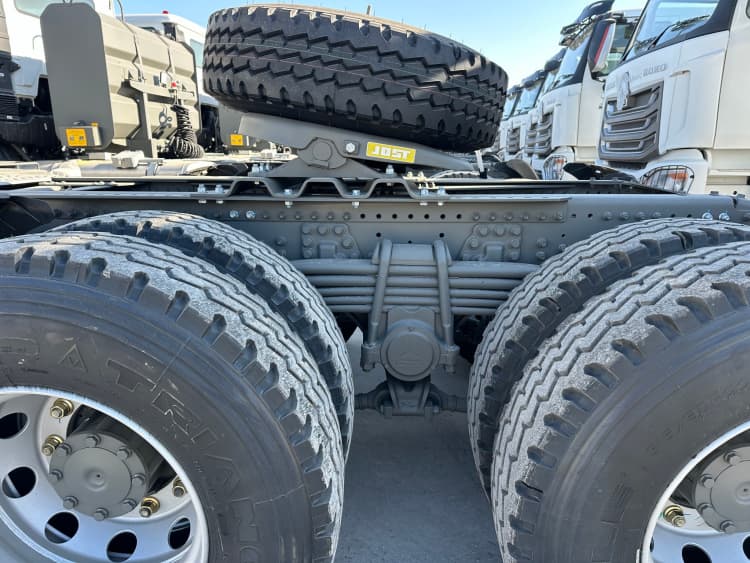
- Axle: OEM matched front & rear axles. NDT crack inspection, gear check, oil seal and wear parts replaced
- Suspension: Leaf spring suspension. Fatigue inspection, cracked or weakened springs replaced, bushings renewed
- Chassis Frame: Visual + NDT crack inspection, fasteners re-torqued, high-stress zones prioritised
- Steering: Original steering assembly. Disassembled, checked for play, seals replaced and calibrated
- Tires: 12.00R20 heavy-duty off-road tires, wheel hubs serviced and bearings renewed
- Brake System: Air brake system. Valves, chambers and linings inspected or renewed, full brake performance test
- Cabin: Disassembled, corrosion checked, mounts & seals renewed, full function tested, refinished
Auditable ESG & Embodied Carbon Benefits
- Carbon saving logic: Avoids the huge carbon emission generated by ore smelting, forging and full vehicle manufacturing of a new heavy truck.
- Waste diversion: Qualified Howo NX core assets are reused rather than crushed for scrap, cutting raw metal consumption and industrial solid waste.
- Data availability: Every reman CNHTC Howo truck carries full trace files, including core screening records, part reuse logs and carbon saving calculation sheets.
- Application scenarios: Supports formal carbon accounting, ESG report disclosure, and satisfies green procurement requirements in international engineering tenders.
- Clear distinction from refurbished trucks: Basic reconditioning cannot provide standardized, third-party validated environmental data.
Full Digital Traceability & Third-Party Quality Assurance
- Whole-lifecycle record: Every step from core vehicle intake, component inspection, part replacement, testing to final certification is logged digitally.
- Independent audit: Quality is checked by neutral third-party inspectors, not only the workshop’s self-inspection.
- Comparison with self-certified rebuilds: Many informal rebuild workshops only provide handwritten repair notes with no verifiable audit evidence.
- Query permission: Fleet buyers can access test reports, NDT inspection records and part serial number records for each truck.
- Aftersales support: Traceability data speeds up fault locating and spare part matching during later maintenance.
RFQ
- Q1: What is the core difference between remanufacturing and overhaul for heavy trucks?
A1: Overhaul only replaces broken failed parts to get the truck running, while remanufacturing fully disassembles the whole vehicle, inspects and grades every component. All finished units are benchmarked against OEM new truck specifications, to restore the vehicle’s full design function, not just fix obvious faults. - Q2: Why is core vehicle screening the first step of formal remanufacturing?
A2: Not every old truck is suitable for remanufacturing. We inspect structural condition and service history first. If key structures are damaged beyond recovery, the truck will go to recycling. Strict screening protects the reliability of reman assets and maintains industry credibility. - Q3: Why can refurbished trucks not produce usable ESG data for our fleet reports?
A3: Refurbishment is mostly surface cleaning, repainting and simple troubleshooting. It follows no fixed standard workflow, lacks full inspection records and independent verification. Without complete process traceability, its environmental benefits cannot be audited or recognised in formal sustainability filings. - Q4: How should fleets understand remanufacturing in the circular economy chain?
A4: Remanufacturing sits above scrap recycling. Recycling breaks trucks down into raw materials. Remanufacturing retains the complete engineered value of a qualified truck core and gives it a second service life, delivering much higher resource efficiency. Recycling is only the backup option. - Q5: What value does third-party verification bring to reman Howo NX truck head?
A5: Workshop self-certification depends on internal judgment with no neutral check. Third-party verification reviews the full reman workflow, test records and component logs. It makes the reman Howo NX truck head’s quality and sustainability evidence credible for cross-border procurement and ESG disclosure. - Q6: How can fleets build a long-term asset loop with remanufacturing?
A6: Fleets can manage eligible end-of-service trucks as reusable core assets. When these vehicles finish their first life, they flow back into remanufacturing rather than scrapping. This steady asset rotation controls capital spending and generates continuous sustainability benefits.